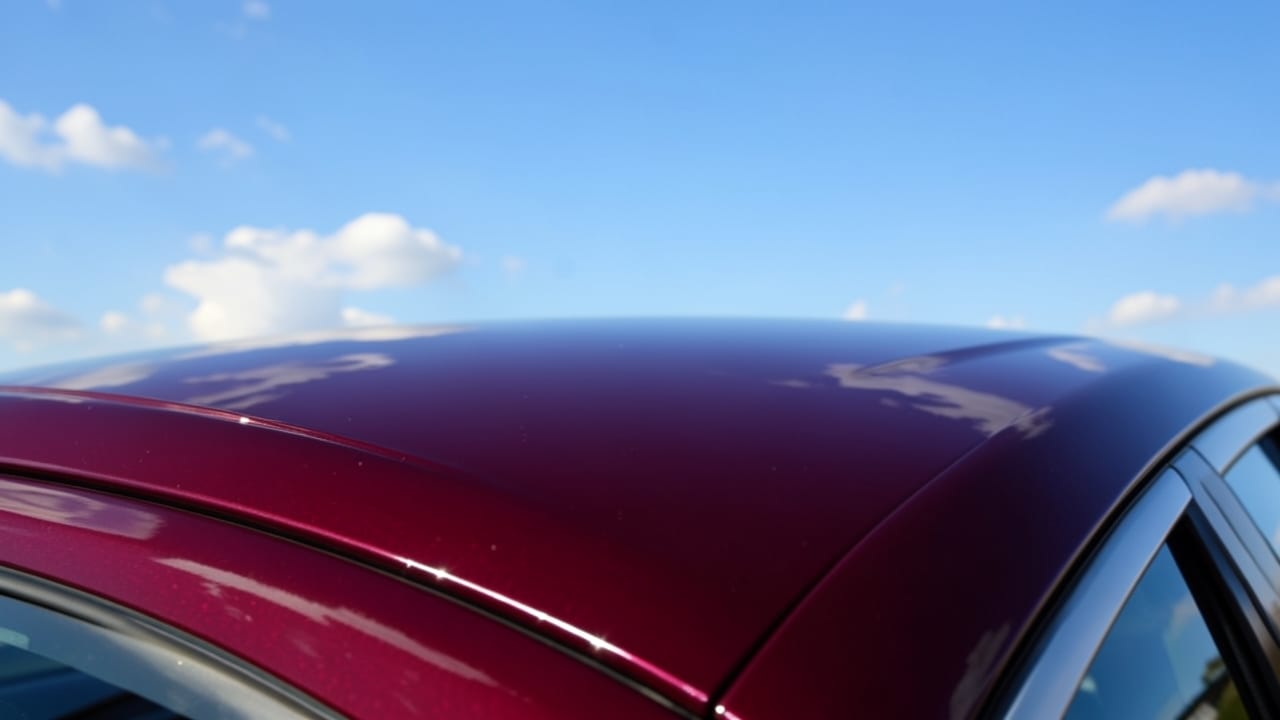
Mid-Summer UV Protection Top-Up
Ceramic coating reapplication to restore UV protection and gloss on vehicle paint.
In Boca Raton’s intense mid-summer sun, UV rays and airborne contaminants gradually degrade a vehicle’s ceramic coating, reducing its gloss and protective properties. A UV Protection Top-Up refreshes the coating’s top layer to restore its hydrophobic, self-cleaning performance and maintain the high-gloss finish for months ahead.
This routine service is tailored to the area’s climate and driving conditions, where frequent exposure to salt spray, sap, and industrial fallout accelerates wear.
We also handle Paint Protection Film (PPF) Installation and Ceramic Window Tint for Boca Raton vehicles.
When to refresh: signs your coating needs attention
A ceramic coating doesn’t fail overnight—it fades gradually, and the first clues appear during routine washes. Watch for water beading less tightly, spreading wider, or sheeting across panels instead of rolling off in uniform droplets.
A loss of that distinctive slick feel when running a hand across the paint is another early sign the hydrophobic layer is thinning.
Bug splatter or road grime that once rinsed off with plain water now requires scrubbing, and panels reflecting a duller, less crisp image under direct light signal the coating’s protective slickness is wearing down.
These changes are normal over time but indicate it’s time for a top-up before deeper damage sets in.
Mid-Summer UV Protection Top-Up Checklist
- Water beads spread wider or sheet across panels instead of rolling off in tight droplets
- Paint feels less slick to the touch than immediately after coating application
- Road grime or bug splatter no longer rinses off with plain water
- Panels appear slightly duller under direct sunlight, without visible scratches
- Contaminants like rail dust or industrial fallout are visibly bonded to the surface
What affects pricing and timing?
Pricing for a UV Protection Top-Up depends on the vehicle’s size, the coating tier being refreshed, and whether additional prep steps—like decontamination or light correction—are needed.
Mid-summer top-ups in Boca Raton often include a spray sealant reapplication to refresh surface slickness between full service intervals, which can adjust the total cost.
Timing is flexible but best scheduled during cooler morning or late afternoon hours to avoid the midday sun accelerating curing time. A top-up typically takes 2–4 hours, including prep and reapplication, and is performed in a shaded or climate-controlled environment to ensure proper adhesion.
| Factor | Impact on Pricing/Timing |
|---|---|
| Vehicle Size | Larger vehicles (SUVs, trucks) require more product and labor time |
| Coating Tier (SiO2 vs. Graphene) | Higher-tier coatings may need more frequent top-ups |
| Additional Prep (Clay Bar, Decontamination) | Increases time and material costs if contaminants are present |
| Seasonal Demand | Mid-summer scheduling may have shorter lead times than off-peak |
| Spray Sealant Reapplication | Often included to refresh slickness between full services |
Why maintenance matters more than a single top-up
Consistency in washing, drying, and product selection keeps a coating performing well long-term. Skipping the two-to-three-week wash interval or using high-alkaline soaps gradually breaks down the coating’s surface chemistry, accelerating fade. Even a single tunnel wash with spinning brushes can introduce fine scratches from grit carried over from other vehicles.
Periodic decontamination—every few months—removes bonded contaminants like rail dust that a normal wash can’t lift. A spray sealant applied between full top-ups maintains surface slickness and water beading without requiring a full reapplication. These steps help the coating last longer between professional refreshes.
Using wax-stripping soaps or letting water air-dry on a coated surface deposits mineral spots and dulls the finish faster. Automatic tunnel washes with brushes drag grit across the coating, causing fine scratches that compromise its protective layer.
How a mid-summer UV protection top-up works
This service refreshes the top layer of a ceramic coating to restore UV resistance and gloss.
- 1Pre-Wash Decontamination
The vehicle is washed with pH-neutral soap using the two-bucket method to remove loose contaminants. A light clay bar or chemical decontamination pass removes bonded particles like rail dust, ensuring a smooth surface for the top-up.
- 2Surface Prep and Inspection
The coating’s condition is inspected for signs of wear, such as reduced water beading or dullness. Any minor imperfections are addressed before applying the top-up to ensure optimal adhesion.
- 3Spray Sealant Application
A thin layer of spray sealant is applied to refresh the surface slickness and hydrophobic properties. This step is performed in a shaded or controlled environment to prevent premature curing.
- 4Curing and Final Inspection
The vehicle is allowed to cure for the recommended time, typically 24–48 hours, before a final inspection confirms the top-up has restored water beading and gloss. Owners are advised on proper post-service maintenance to extend the coating’s lifespan.
Frequently asked questions
How often should I schedule a UV Protection Top-Up in Boca Raton’s climate?
Most ceramic coatings benefit from a top-up every 6–12 months in this area, depending on exposure to salt spray, sap, and industrial fallout. A mid-summer refresh helps counteract the intense UV rays and airborne contaminants common during Florida’s peak sun months.
Will a top-up fix swirl marks or deep scratches in my paint?
A top-up refreshes the coating’s top layer but does not correct swirls or deep scratches. These require professional paint correction before or alongside a full coating application. A top-up is intended to maintain the existing finish, not address underlying damage.
Can I wash my car normally after a UV Protection Top-Up?
Yes, but use only pH-neutral wash soap and the two-bucket method to avoid stripping the coating. Avoid automatic tunnel washes with brushes, as they can introduce grit. Follow the recommended 2–3 week wash interval to preserve the top-up’s effectiveness.
What’s the difference between a top-up and a full coating application?
A top-up refreshes the existing coating’s top layer to restore gloss and hydrophobic properties, while a full application includes prep steps like decontamination, correction, and a new base layer. A top-up is faster and less expensive but assumes the underlying coating is still sound.
Where Boca Raton sits, and what the Census lists nearby
Boca Raton sits in Florida, and the closest places listed in the U.S. Census Gazetteer are Highland Beach (3.6 miles northeast), Deerfield Beach (4.4 miles south), Delray Beach (5.8 miles north), Hillsboro Pines (6.4 miles southwest).
Within 25 miles of Boca Raton the same source lists 64 distinct incorporated places and census-designated places.
Those figures matter for mid-summer uv protection top-up because they are straight-line distances between Census coordinate points: road mileage between Boca Raton and Highland Beach runs longer than the 3.6 miles shown, which is why quotes for the same job differ between towns that look close together on a map.
Source: U.S. Census Bureau Gazetteer.
See Gulf Stream, FL for more, or browse the rest of our Boca Raton lineup at a glance for our complete lineup.
Ready to get started?
Talk to a local ceramic coating pro in Boca Raton — get a written quote.
Other Ceramic Coating Services in Boca Raton
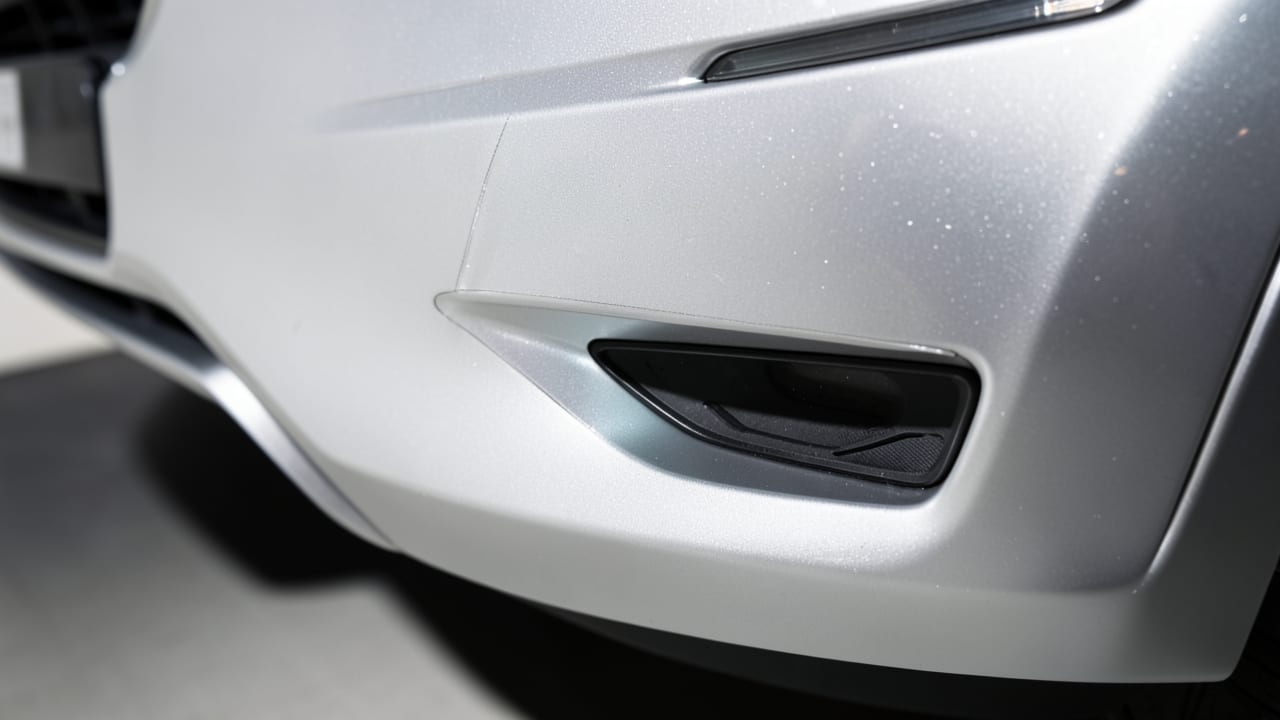
Paint Protection Film (PPF) Installation in Boca Raton, FL
Self-healing clear PPF installation in Boca Raton, FL for high-impact panels or a full-body wrap — real physical protection against rock chips and road debris.
Learn More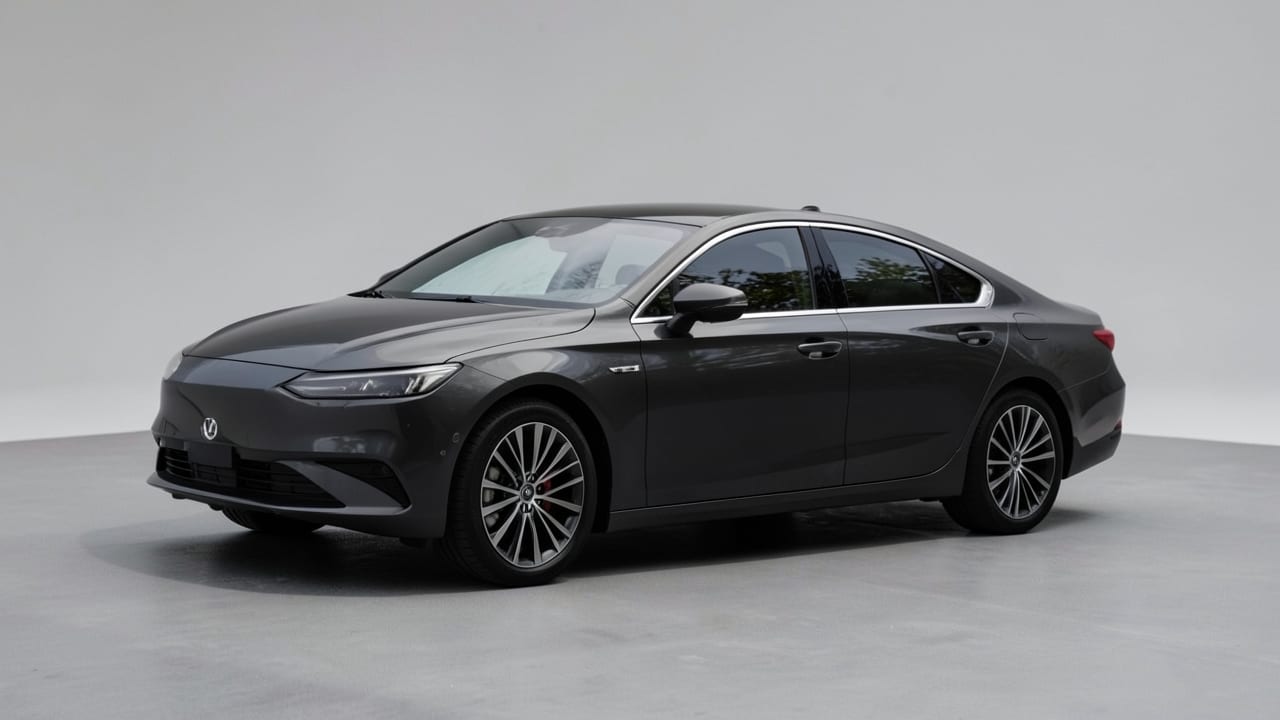
Ceramic Window Tint in Boca Raton, FL
Nano-ceramic window tint in Boca Raton, FL — rejects heat and blocks 99% of UV without the signal interference or fading of cheaper films.
Learn More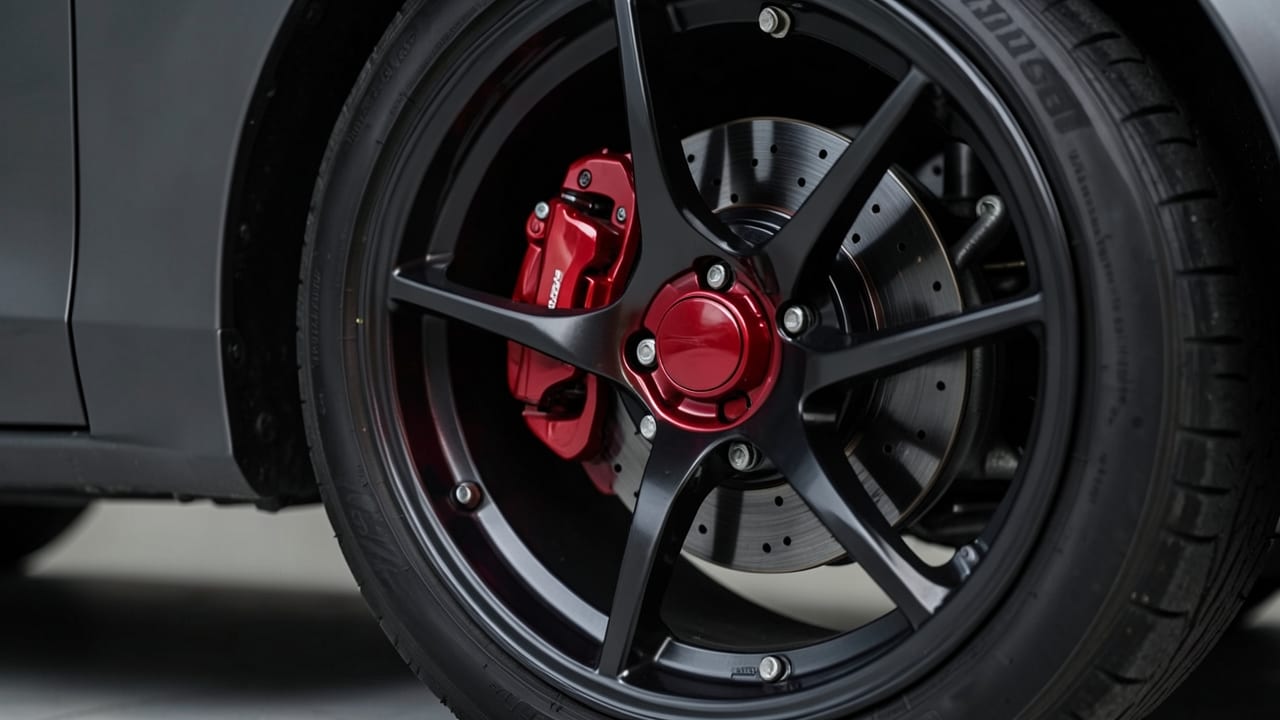
Wheel & Brake Caliper Ceramic Coating in Boca Raton, FL
Dedicated ceramic coating for wheels and brake calipers in Boca Raton, FL — stops brake dust and corrosive grime from bonding to the finish.
Learn More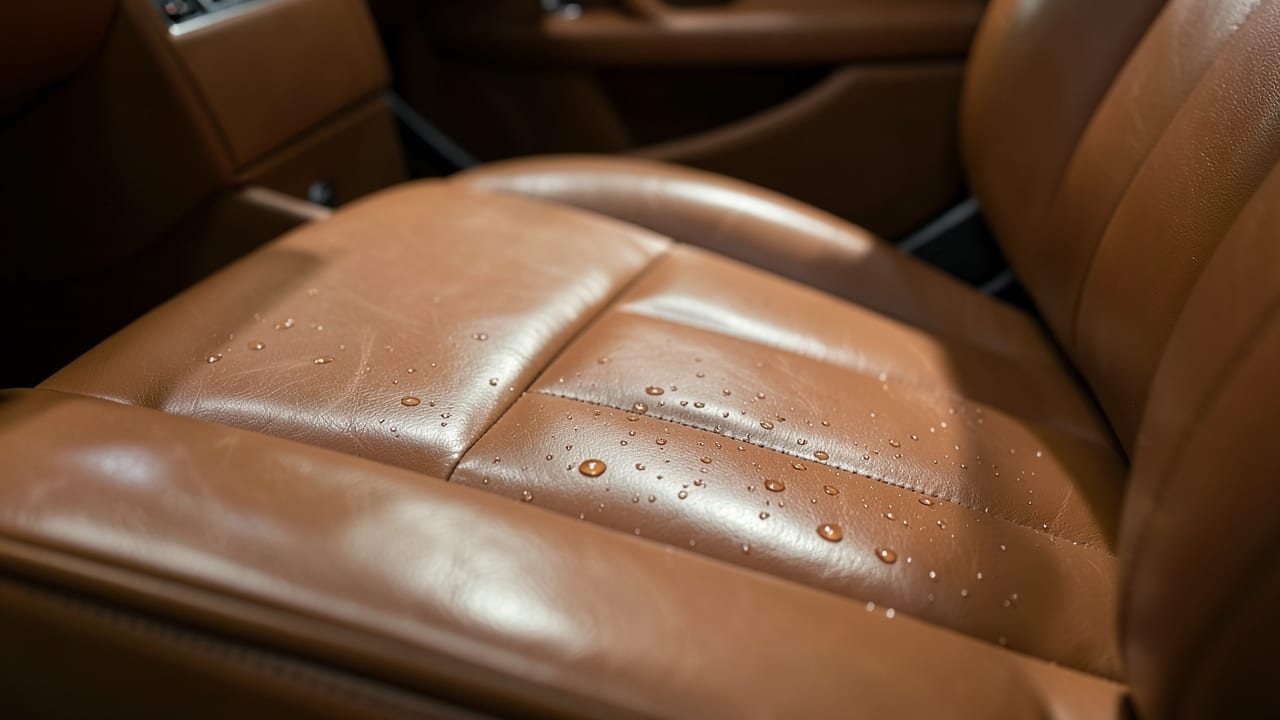
Interior Ceramic Protection in Boca Raton, FL
Interior fabric, leather, and trim ceramic protection in Boca Raton, FL — guards against spills, UV fading, and daily wear.
Learn More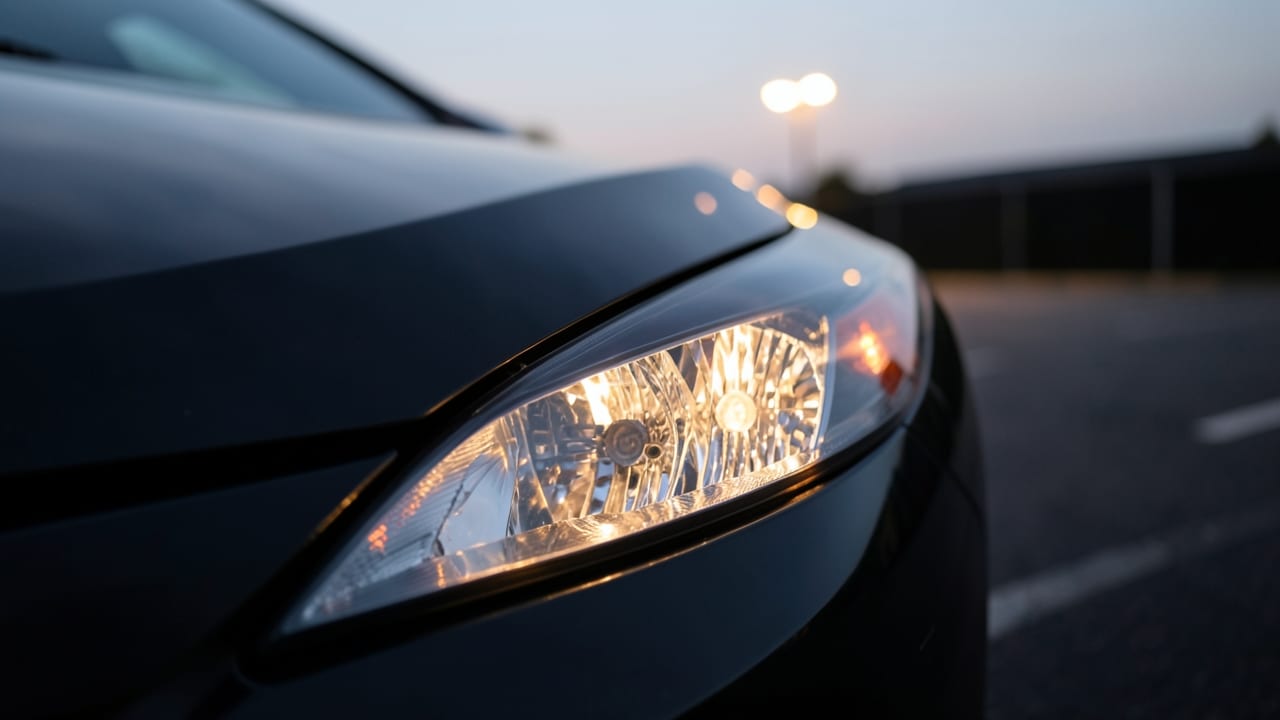
Headlight Restoration & Coating in Boca Raton, FL
Headlight restoration and UV-protective coating in Boca Raton, FL — restores clarity and nighttime visibility without replacing the assembly.
Learn More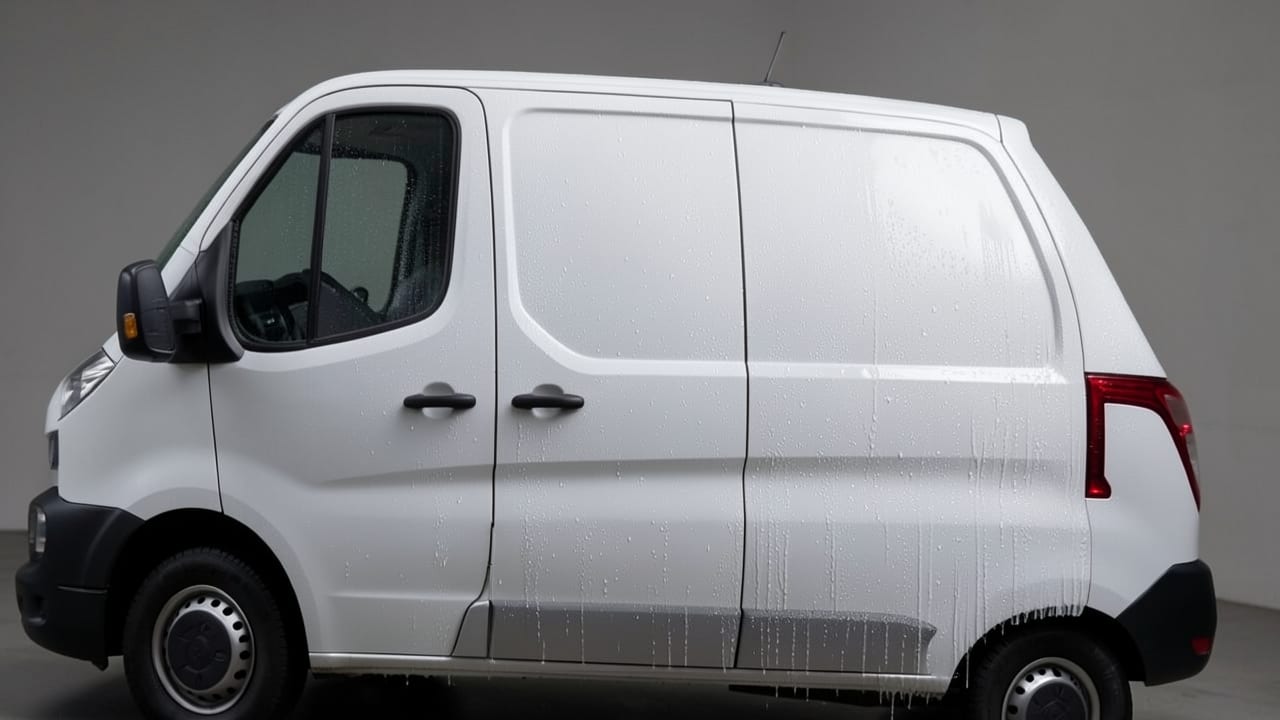
Fleet & Commercial Vehicle Coating in Boca Raton, FL
Ceramic coating programs for fleets and commercial vehicles in Boca Raton, FL — faster washing, longer-lasting branded wraps, and protected resale value.
Learn MoreCommon Questions About Ceramic Coating in Boca Raton
Everything you need to know about ceramic coating services in Boca Raton
How much does Mid-Summer UV Protection Top-Up typically cost in Boca Raton, FL?
Does intense UV and dust in Boca Raton, FL change coating maintenance?
Can ceramic coating be applied at home instead of by a detailing shop?
How long does a ceramic coating actually last in real-world use?
What is the difference between graphene and SiO2 ceramic coatings?
Does a ceramic coating need to be topped up over time?
Need Ceramic Coating in Boca Raton?
Get a written quote from our Boca Raton crew.
⏰ We answer your call • Serving all of Boca Raton and surrounding areas